The world of astrophotography has changed enormously over the past decade. Cameras have become more sensitive, mounts more precise, and automation far more accessible. Smart telescopes have opened the hobby to people who might never have considered investing in a traditional astrophotography setup. Meanwhile, the wealth of information available online has made learning the fundamentals easier than ever, reducing the need for years of trial and error.


ClearSky Partner

In astrophotography and astronomical research
One challenge remains beyond the reach of technology
One challenge remains beyond the reach of technology
Weather and Light Pollution
In astrophotography, having the right equipment and technical knowledge is only part of the equation. Access to suitable skies, at the right time, is just as important.
Yet, one challenge remains beyond the reach of technology: the weather and light pollution.
Learn More
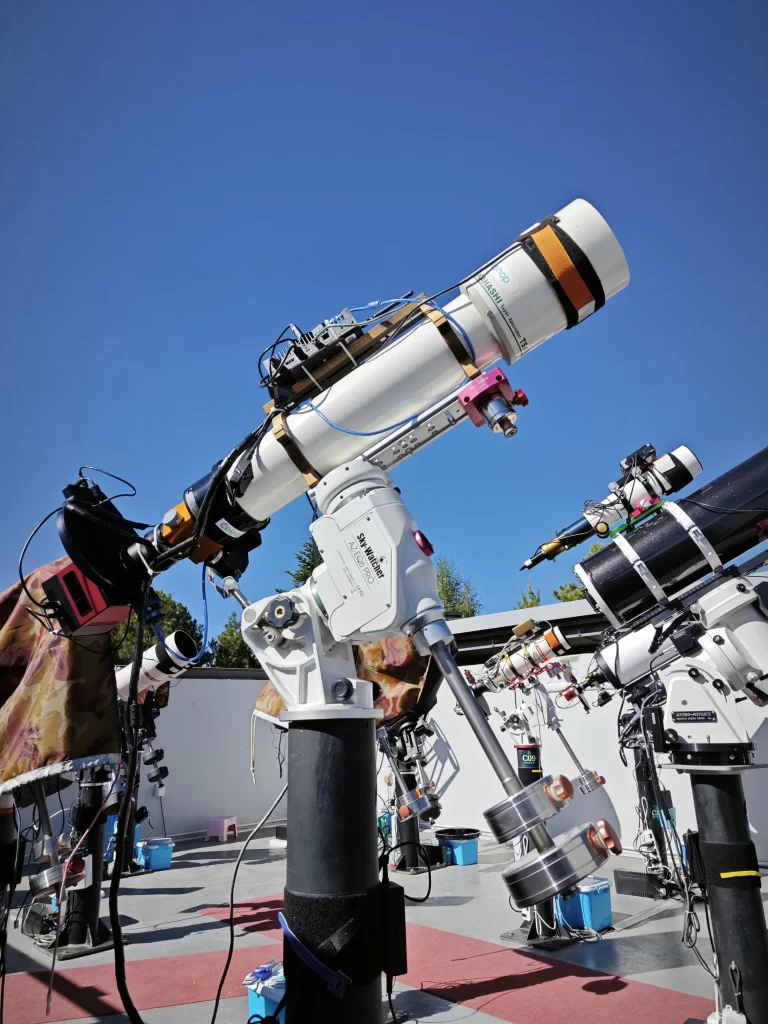
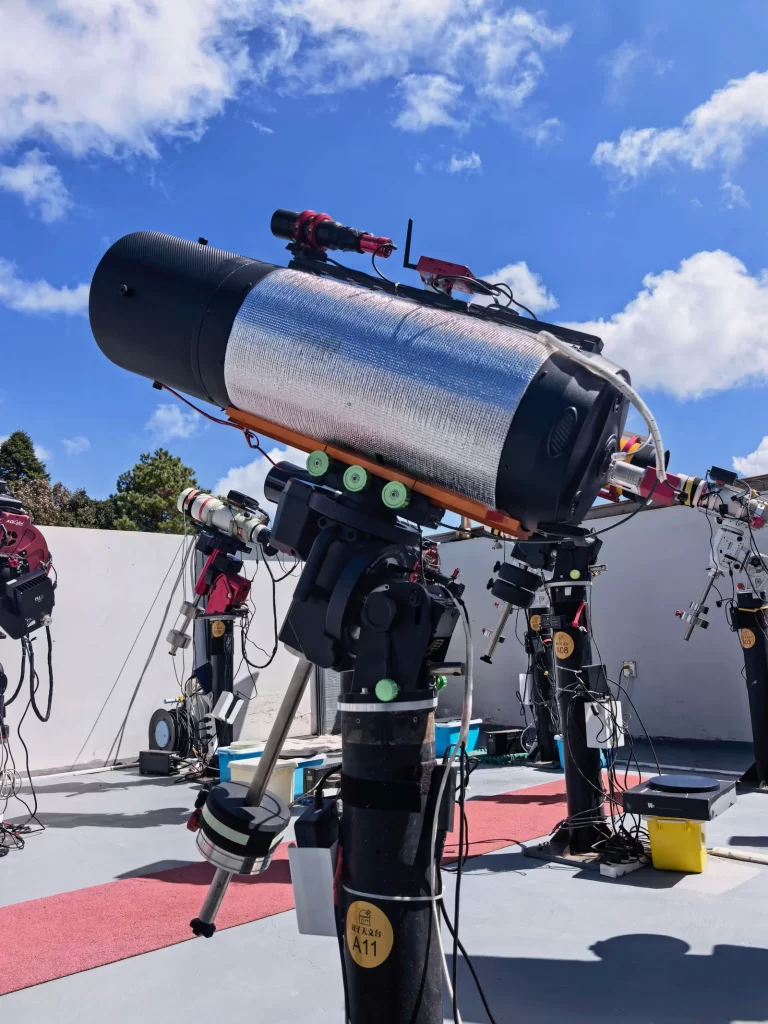
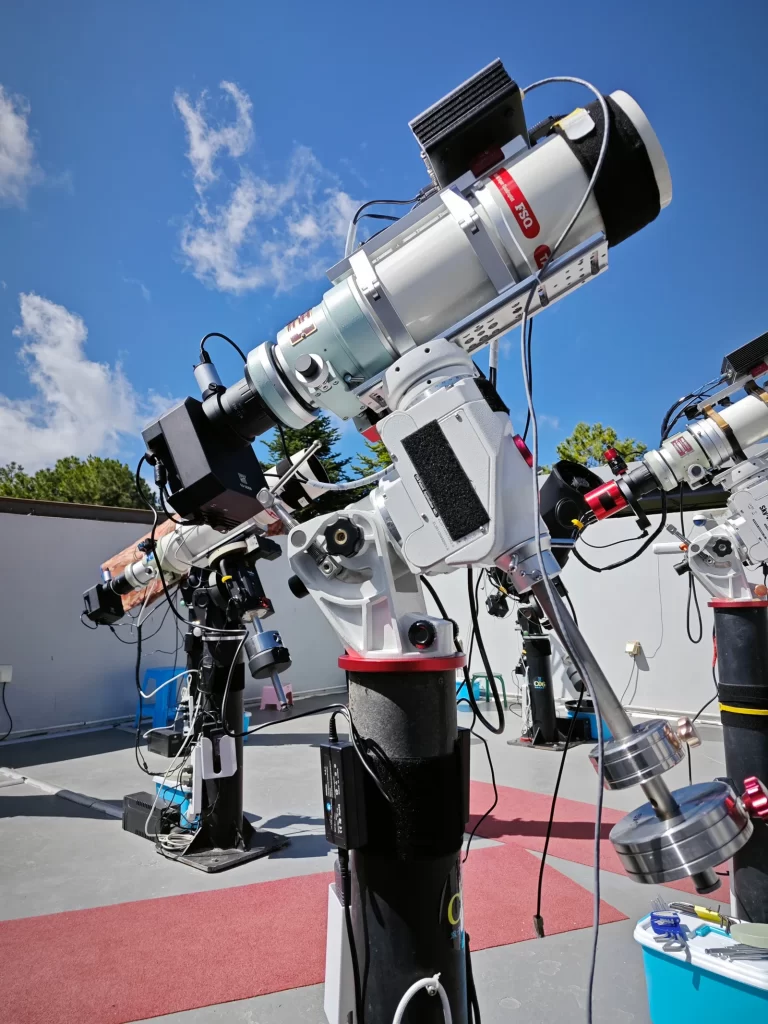
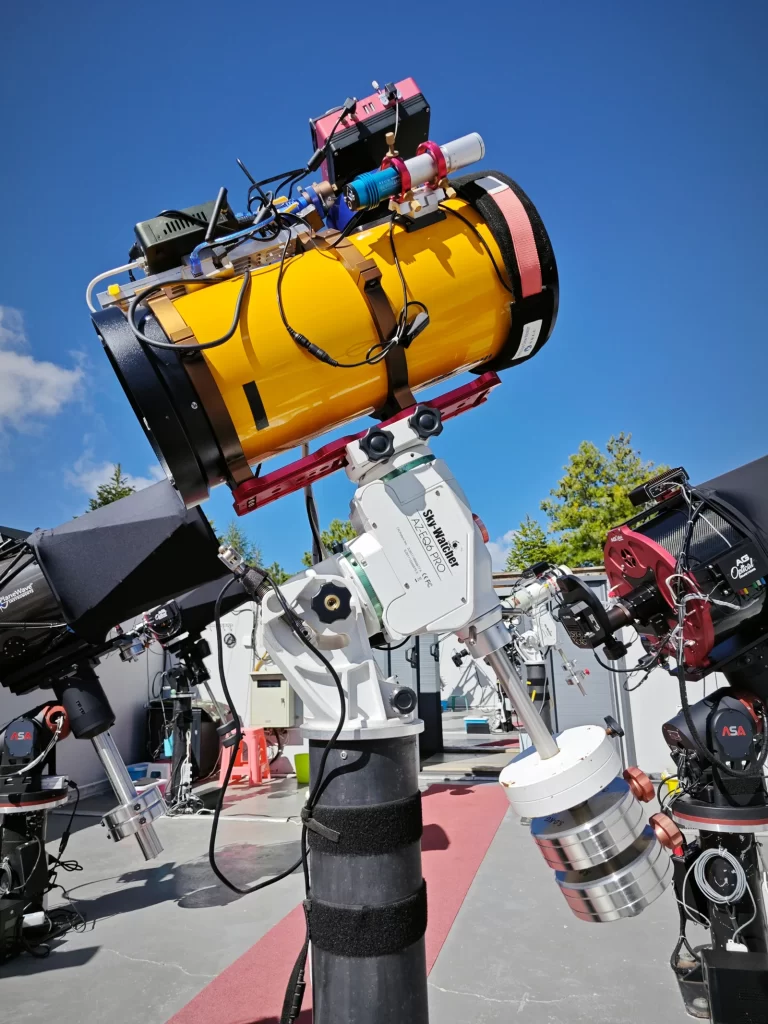
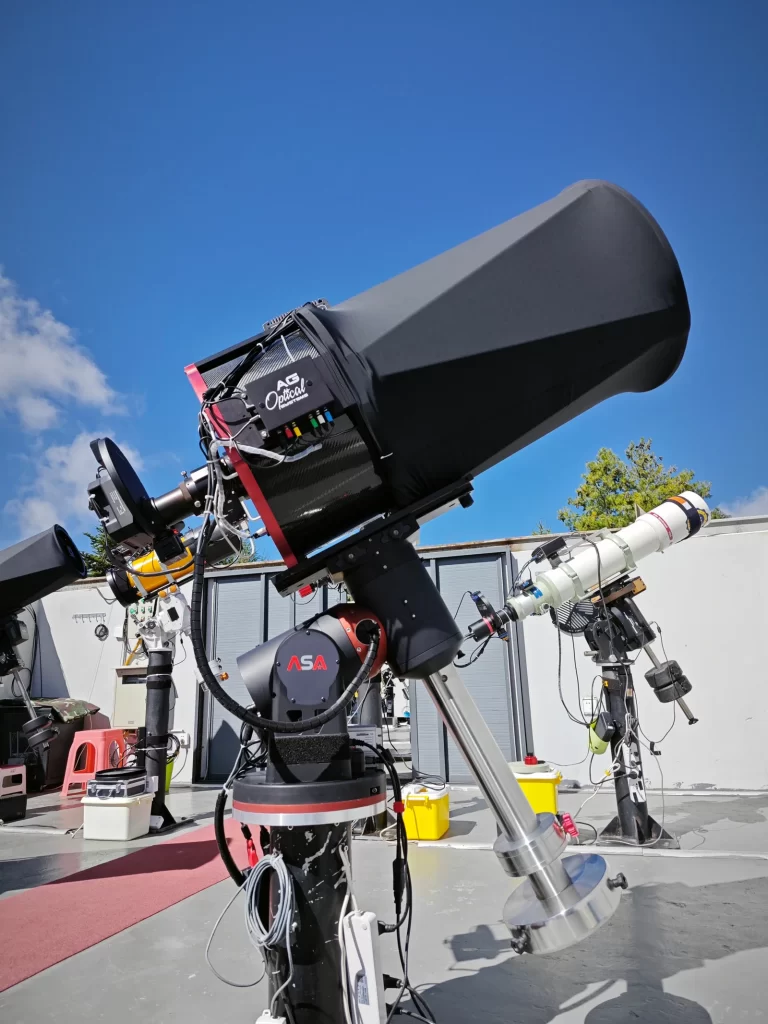
How Remote Hosting Works?
As technology continues to advance and remote hosting becomes increasingly accessible, more astrophotographers and amateur astronomers are turning to remote observatories to take their craft and research to the next level. Access to pristine, darker skies, a higher probability of clear weather, and the convenience of operating equipment from home make remote astrophotography an increasingly attractive option for both astrophotographers and researchers.
Step 1
Measure the System
Measure the total space required for your telescope and mount, ensuring sufficient room for setup, movement, and safe operation.

Step 2
Reserve Your Pier
Secure your spot with a reservation deposit. Observatory piers are allocated on a first-come, first-served basis.

Step 3
Ship Your Gear
Ship your equipment to Starhunter or drop it off in person. We’ll coordinate the arrangements with you either way.

Step 4
We Install and Align
Our on-site team installs your rig to your exact specs, polar aligns it, connects everything, and tests it onsite.

Step 5
Control It Remotely
Control your telescope remotely from home over the internet.
Remote Astrophotography & Scientific Research
As technology continues to advance and remote hosting becomes increasingly accessible, more astrophotographers and amateur astronomers are turning to remote observatories to take their craft and research to the next level. Access to pristine, darker skies, a higher probability of clear weather, and the convenience of operating equipment from home make remote astrophotography an increasingly attractive option for both astrophotographers and researchers.
OFF-ROAD EXPEDITION HIGHLIGHTS:
- Adventurous off-road drive along the Annapurna Circuit trek route to Manang Valley
- Easiest way to reach Manang Valley with gradual high-altitude acclimatization
- Comfortable 4WD ride through the scenic Marshyangdi Valley and its deep gorge.
- Visit natural hot springs in Chame and Shree Chaur for relaxation
- Explore untouched Buddhist culture in the mountain villages.
- Breathtaking views of the Annapurna mountain range, including Gangapurna, Annapurna II & III, Manaslu, Tilicho Peak, and Lamjung Himal
MILKYWAY ASTROSCAPE HIGHLIGHTS:
- Manaslu Photography: Capture the grandeur of the majestic Manaslu peak
- Annapurna II & III Photography: Stunning shots of two iconic Annapurna summits
- Orion’s Nightscape Training: Master astrophotography with a focus on Orion’s constellation
- Gangapurna Glaciers: Photograph the striking beauty of Gangapurna Glacier
- Golden Sunrise Photography Techniques: Learn how to capture the perfect golden hour light
- Nightscape Photography Techniques: Unlock the secrets to photographing the night sky in all its glory
- Star Trails Techniques: Create breathtaking star trail images with expert tips and guidance